


What's New
Sustainability in Product Development: A HARMAN Luxury Audio Perspective
By James Todd and Michael Strange | Senior Global Product Line Managers


In today’s rapidly evolving global marketplace, sustainability is no longer a niche concern, it’s a strategic imperative. At HARMAN, we believe that environmental responsibility and premium product design can and must coexist. That’s why sustainability is one of our core Strategic Pillars, guiding every decision from material sourcing to packaging design and product longevity.
This month, we’re taking a deeper look at how sustainability shapes our product development process, with a special focus on packaging and the broader environmental impact of our luxury audio products.
Rethinking Materials: From Carbon Footprint to Circular Economy
Reducing Our Carbon Footprint
Our journey toward sustainability begins with the materials we choose. HARMAN is actively transitioning to post-consumer recycled (PCR) materials across our product lines. By the end of 2023, we had:
- 18 products in production using at least 85% recycled plastics
- 7 products incorporating recycled aluminum
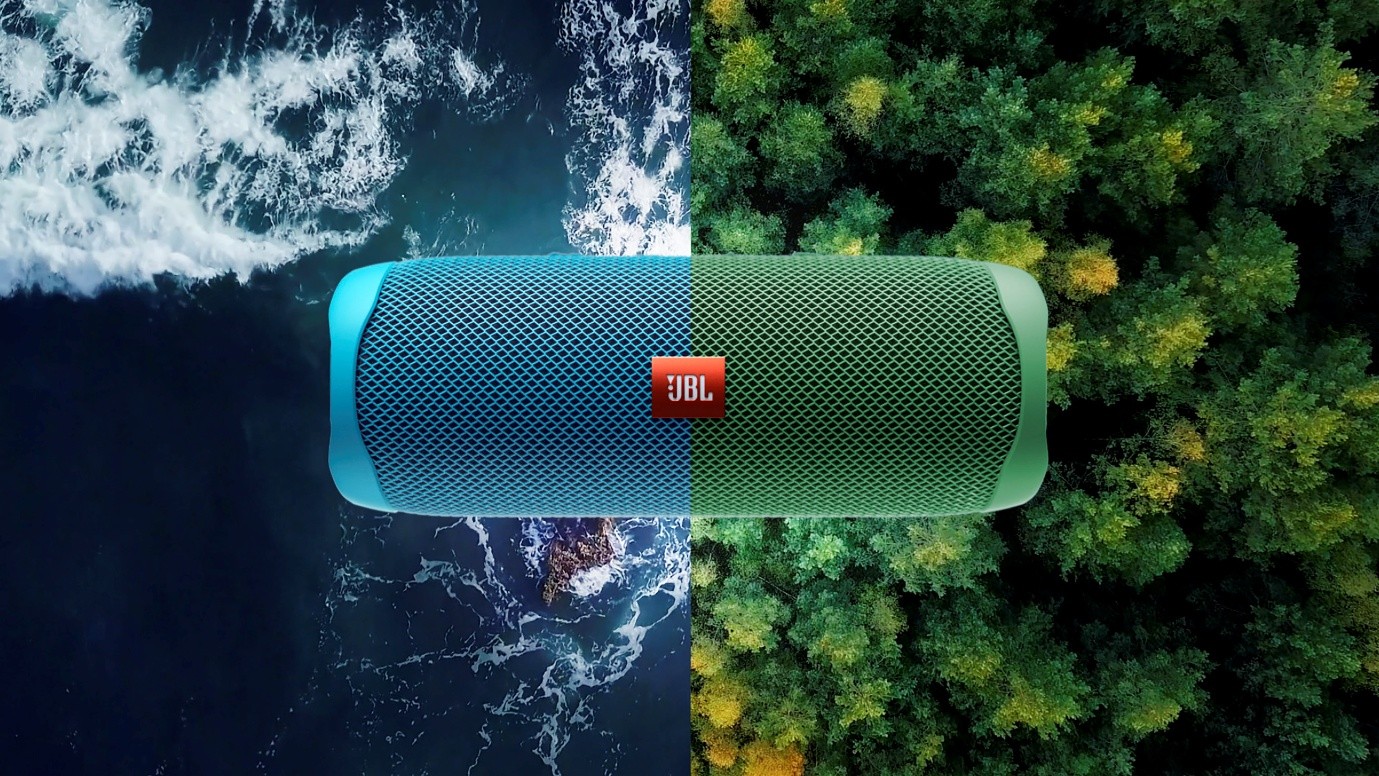
We’re also embracing sustainably sourced timber and veneers, which offers a significantly lower carbon footprint compared to metals, vinyl and plastics. Wood has long been a preferred material in loudspeaker design, not just for its acoustic properties, but also for its aesthetics natural origin and renewability.
Sustainable Packaging Innovations
Packaging is often overlooked, but it plays a critical role in our sustainability strategy. The ARCAM Radia series, as an example, exemplifies our commitment to sustainable and recyclable packaging. These along with many other luxury audio products are shipped in:
- Cotton drawstring bags
- Molded pulp paper trays
- Cardboard accessory boxes
- Printed with Soy-ink
- Craft cardboard presentation boxes & paper pulp packaging sealed with paper tape.

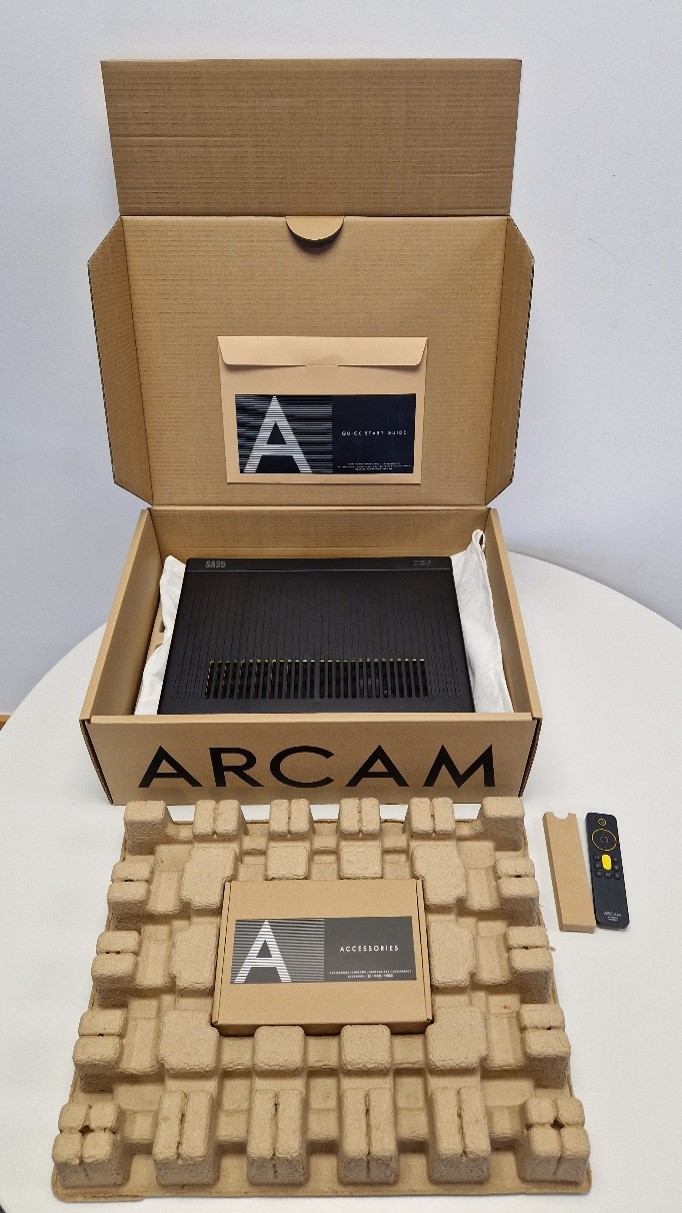
These thoughtful designs avoid heavy color inks, Styrofoam and other harmful plastic components, making the packaging easier to recycle globally. But going green isn’t just about swapping materials, it’s about engineering packaging that protects products during transit. We conduct rigorous environmental and drop tests to ensure that our sustainable packaging meets the same durability standards as traditional foamed plastics.
Packaging with Purpose: Balancing Form, Function, and Footprint
As Global Product Line Managers (GPLMs), we face a complex balancing act. We must deliver exceptional features, meet time-to-market goals, manage costs and align with our sustainability objectives—all while ensuring that packaging enhances the customer experience and complies with regional regulations.
Key packaging considerations include:
- Color & Print: We use biodegradable soy-based inks. Brown kraft boxes offer sustainability and cost benefits, while four-color boxes are reserved for retail products where visual impact is key.
- Master Cartons & Double Boxing: These are used strategically to protect products through complex logistics networks.
- Unboxing Experience: Clear instructions printed on the exterior guide customers through a seamless and satisfying unboxing.
- Assembly Status & Accessories: Whether a product ships assembled or unassembled affects packaging layout. Accessories like cables, remotes and manuals influence internal design and material use.
- Regional Compliance: Packaging is tailored to meet local environmental and safety standards—non-negotiable in today’s regulatory landscape.
The Cost of Going Green
Sustainable packaging comes with trade-offs. Molded pulp trays require larger boxes, which can increase shipping costs by over 20% with just a one-inch increase in dimensions. Despite these challenges, our teams continue to innovate. exploring ways to reduce packaging volume, optimize materials and minimize environmental impact without compromising product quality or customer experience.
We also monitor the competitive landscape to ensure HARMAN remains a leader in sustainable design, setting benchmarks for the industry.
Building for Longevity: The Circular Economy in Action
The most profound environmental impact comes from transitioning away from the linear economy—where products are discarded after use. and toward a circular economy, where materials are reused, repaired and repurposed.
Luxury audio products naturally support this model and are backed up with up to five years of warranty in many regions. Many are designed to be opened and serviced with ease. For example:
- Linear amplifiers use serviceable through-hole critical components like output transistors and capacitors.
- Linear power supplies feature durable cast iron and copper coils, avoiding compact high-power parts that fail under sustained stress.
- Drivers in loudspeakers can be removed and replaced. They are not sealed into the cabinet.
Loudspeaker components released decades ago and electronics like the A&R Cambridge A60 integrated amplifier, released nearly 50 years ago, remain serviceable today. Brands like Mark Levinson, JBL and Revel produce high-value products that retain resale value and stay out of landfills, with JBL Classic and Studio Monitors from the past regularly being refurbished for new owners 50 years after they were first assembled. These products embody the principles of a circular economy—durability, reparability and long-term value.
Sustainability Meets Sound
While luxury audio might not seem inherently sustainable, Harman proves otherwise. Our products are often more serviceable and longer lasting than mass-produced consumer electronics. By designing components of enduring value, we ensure that the joy of music can be enjoyed responsibly—without compromising our planet’s future.
Sustainability isn’t a checkbox, it’s a mindset. At HARMAN, we’re proud to lead with purpose, designing products and packaging that reflect our values and resonate with today’s conscious consumers. We will keep pushing boundaries, asking tough questions, and finding smarter ways to build a better future, one product at a time.