

What's New
JBL Project Summit was formally introduced to the China market at the Shanghai TAS Show
By David Tovissi
Vice President and General Manager
HARMAN Luxury Audio Group

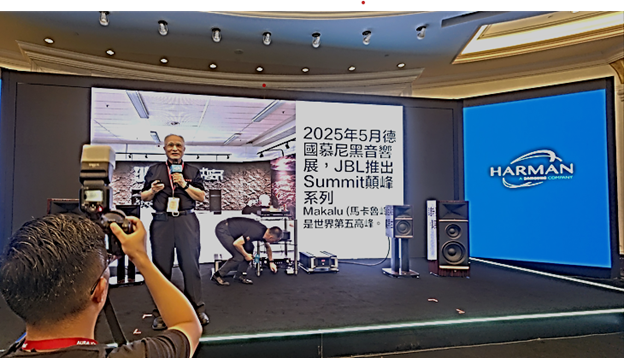
Earlier this month, I was fortunate to be invited to attend and participate in the unveiling of the JBL Summit Series at this year’s Top Audio Visual Show held at the Shanghai International Convention Center. This annual show featured over 200 audio companies from across the world. Including several high-end audio brands.
We used this event to formally introduce the sixth JBL Project Series of products, the Summit Series to the China market. Following a short introduction and welcome to our distinguished invited guests by Steve Zhu, our VP & GM of the China region, Jeffery Fay, our SVP & GM of Global Product Strategy, shared with the attendees how HARMAN was dedicated to the Home Audio space including the high-end sector. I was then asked to join Steve and Jeffrey on stage to perform a ceremonial launch of the JBL Summit Series using a very interesting way to unveil the products. The three of us were handed glass pitchers filled with gold plated crystals that we eventually poured into a display box that had silhouette carve outs of the three mountain ranges that our loudspeakers were named after. As we poured, the ranges started to appear and as we emptied our pitchers the display box revealed the mountains and the model numbers. I couldn’t see until later in the day how cool that unveiling was to the attendees watching it fill up with the sand live.
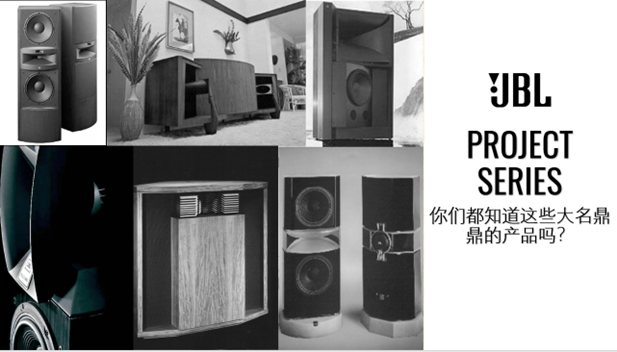
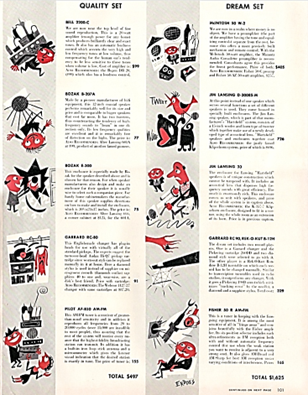
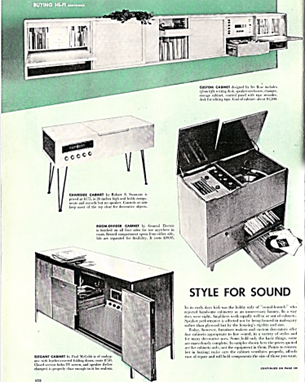
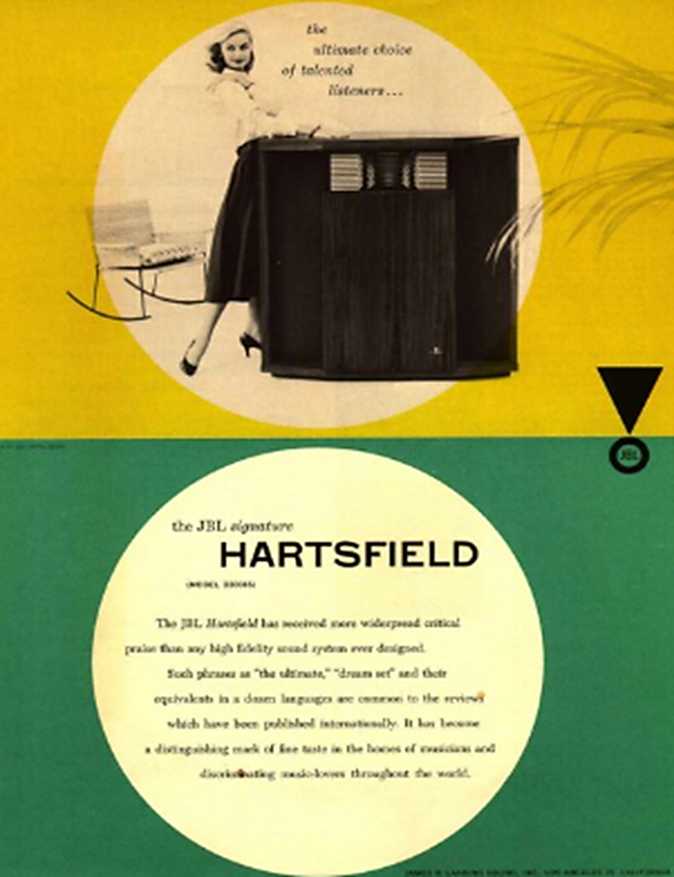
After the ceremony, I remained on stage to share some insights as to how and why the new loudspeakers became part of the latest JBL Project. There have only been four other Project Loudspeaker Series in the storied 80-year history of JBL prior to Project Summit. The first JBL project dates back to the early 1950s when James B. Lansing commissioned Bill Hartsfield, a board member of the Audio Society of Engineers in Washington DC to come to Northridge to develop a new loudspeaker that would compete with Paul Klipsch’s Klipschorn. Project Hartsfield featured the D30085, all horn designed monaural loudspeaker that, like the Klipschorn it was built to compete with, was meant to be placed in the corner of the room. This loudspeaker quickly became one of the most sought after loudspeakers shortly after Life Magazine published an article in February of 1955 on how to buy and set up a high-fidelity audio system claiming it was the loudspeaker of the Dream Set audio system.

The D30085 remained in production until the stereo became more prevalent in the hi-fi world which led to the development of the second Project loudspeaker series called Project Paragon. Similar to the Project Hartsfield, JBL President Arnold Wolf sought out an audio protégé to lead this loudspeaker project. Rick Ranger was chosen to develop this loudspeaker system which used a heavily braced cabinet design featuring a curved radial design front panel which helped provide a wider soundfield. This system was designed for stereophonic reproduction and featured two D375 compression drivers firing into H5038 aluminum exponential horns . Unlike Project Hartsfield, Project Paragon would eventually have several different sizes of cabinet-based systems including the Paragon, the Metragon and the Minigon.
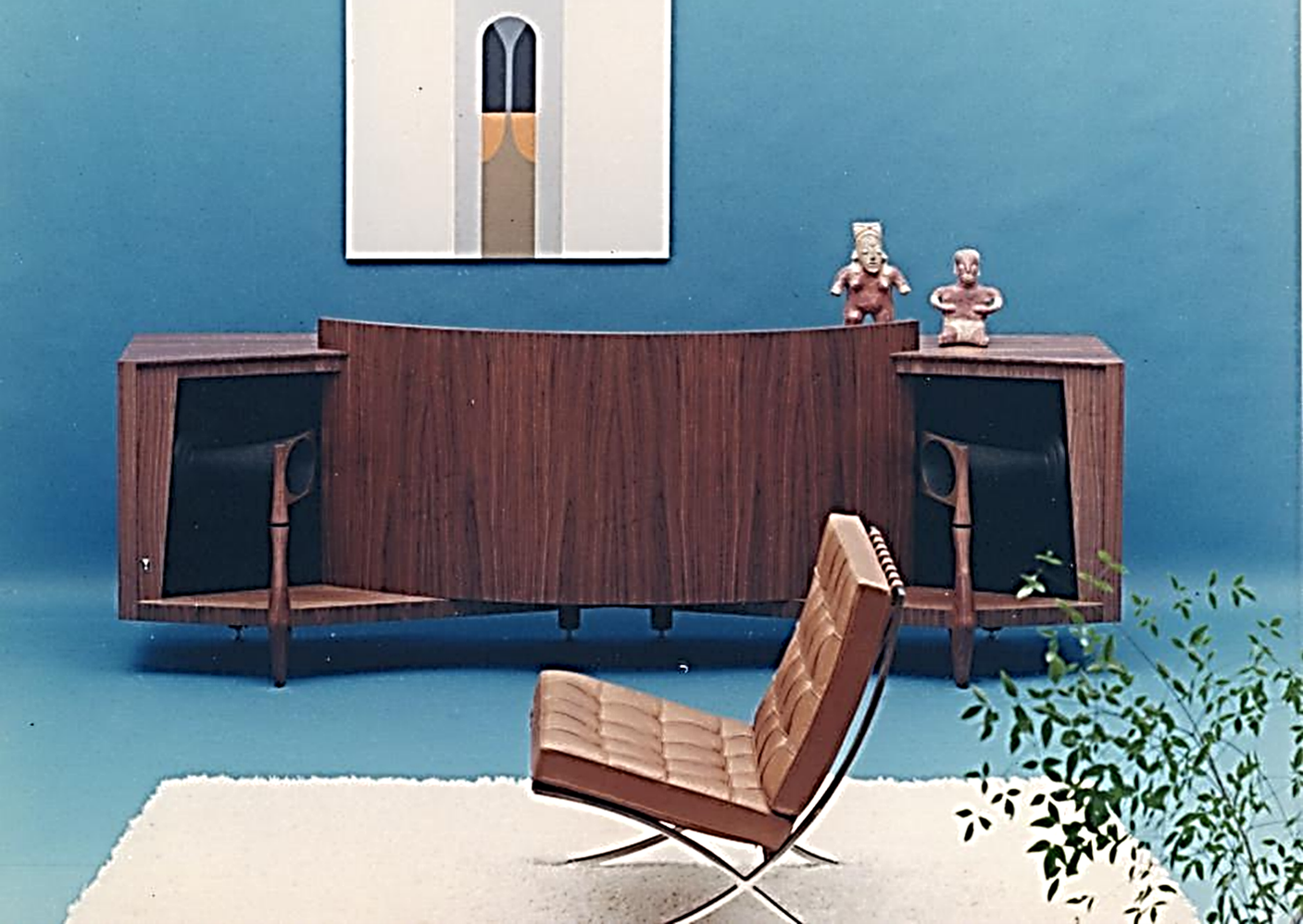
The Paragon and its siblings lived well into the late-1960s and if you ever get the opportunity to visit our Center of Acoustics Excellence at the Northridge campus, you can see all three models of the Project Paragon on display.
The third Project Loudspeaker project was the brainchild of Bruce Scrogin, the President of JBL at the time and it was the first collaboration of systems’ engineer Greg Timbers and industrial designer Dan Ashcroft. They also commissioned Keizo Yamanaka, a famous audio reviewer from Japan to help with the design and acoustic signature of Project Everest which launched to great fanfare in 1985. It featured a large asymmetrical Bi-Radial horn and several other premium components including the titanium diaphragms and ribbon wired wound voice coils and the first time JBL employed Defined Directivity in a loudspeaker system. Designed to appeal to the Japanese high-end audio enthusiasts, the DD55000 was named product of the year by Stereo Magazine in Japan that year.
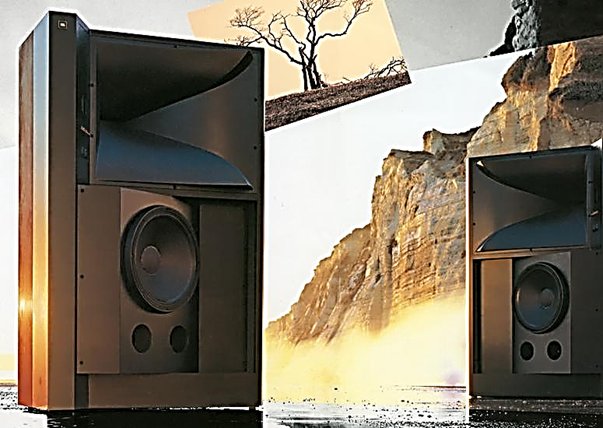
Just six years after the DD55000 was launched in the market, JBL introduced its fourth Project Loudspeaker system, called Project K2. While K2 may lie in the shadows of Everest in the Himalayan Mountain range, K2 the loudspeaker, towered over Everest in performance at its launch. Designed as our “Statement” loudspeaker of the time, the S9500 featured a two-piece modular system of two 14” bass drivers positioned above and below the Bi-Radial horn. The company would later introduce a model S7500 which did not ship with the upper bass driver module. There were two other K2 models released over a span of 35 years including a studio monitor version of the product and a smaller 12” version of the S7500 called the S5500.
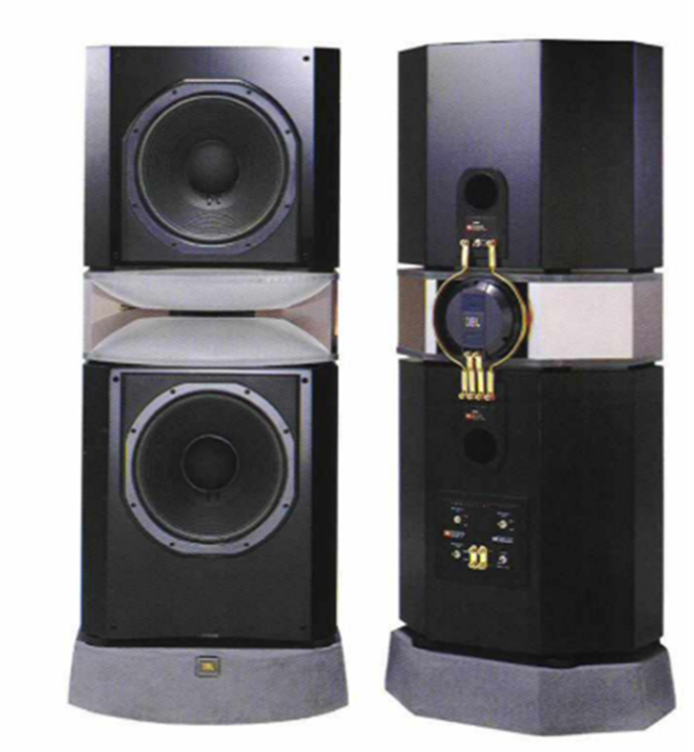

In 2008, JBL introduced its 5th Project Series, Project Array. This was actually the 1st JBL Synthesis Project. The Synthesis 1400 Array BG was a three-way, 115-lb speaker that stood 46" tall, 15" wide and 19" deep. Each of its three drivers, including the vertically oriented HDI horn, were developed in-house and manufactured by JBL.
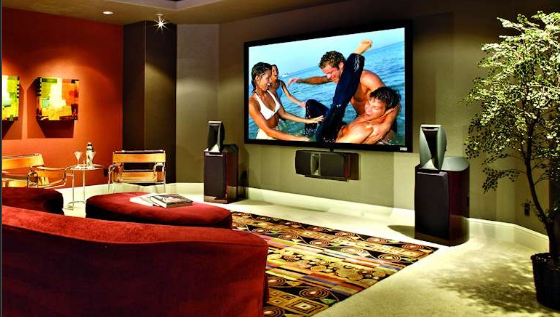
Almost exactly 40 years after we introduced Project Everest to the hi-fi world, JBL introduced Project Summit at this year’s HIGH END MUNICH show in May. It was a project that I have been personally working on with the rest of the team since I first joined HARMAN in 2019. Purposed to be the finest loudspeakers ever engineered and manufactured by JBL, the first phase of Project Summit features a reference 8” pedestal mount loudspeaker called Summit Ama, a reference 10” floor standing loudspeaker called Summit Pumori and our reference 12” loudspeaker called Summit Makalu.
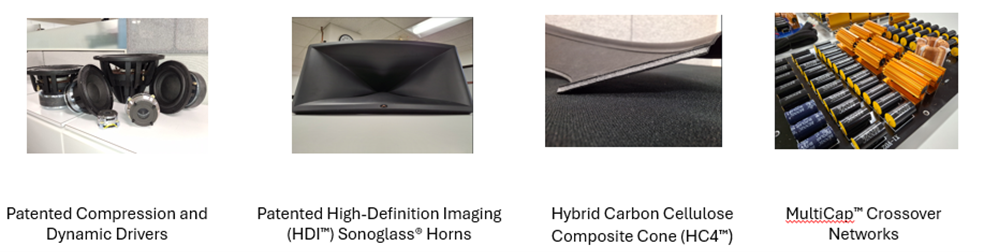
These loudspeakers all feature several patented JBL technologies including our D2 compression drivers, our High Definition Imaging (HDI™) Sonoglass horns, our Hybrid Carbon Cellulose Composite Cones (HC4™) and Chris Hagen’s infamous MultiCap™ crossover designs.
Along with the shared innovative performance features found in Project Summit loudspeakers, there are additional cabinet design features shared amongst them too. They all feature a carbon fiber front baffle, heavily braced rounded cabinets, integrated IsoAcoustics feet and luxurious high gloss finishes.

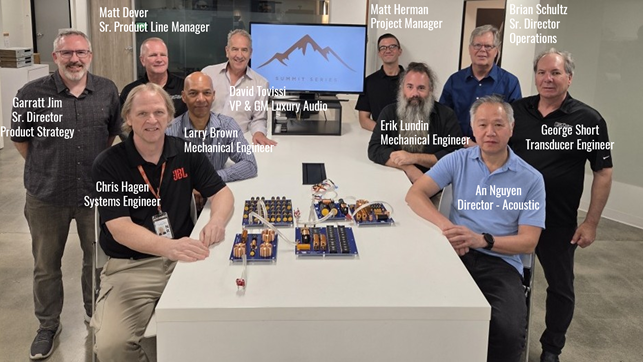
It takes more than a vision to climb to the apex of a mountain, it takes a well-defined plan, special tools, world-class resources and a team of passionate individuals who work closely together. Just like all the project loudspeakers before Project Summit, there was a project team assembled to bring these products to market.
Sharing the background of the other project loudspeakers prior to Project Summit was appreciated by the attendees of the launch event. For some, it was the first time they had ever heard of the Project Series and for others it was a reminder of how JBL has always pushed the level of performance to deliver the best possible sound using the technologies and resources available to us.
After my presentation, Mr. Hansheng Liu, the Publisher and Chief Editor of Audio Forum Magazine in China spoke about our new loudspeakers and played some of his favorite tracks on the Summit Ama and the Summit Makalu to the delight of the crowd.