


What's New
Changes in the FTC Amplifier Rule - What You need to Know
By Jim Garrett
Senior Director, Product Planning and Strategy

Many of you have recently heard about updates coming to the Federal Trade Commission (FTC) Amplifier Rule and understandably, you probably have some questions. For example, “What is this amplifier rule you speak of?” Or “Why does it need to be changed after so long?” And perhaps most importantly, “How does it affect me as a retailer/manufacturer/consumer?” Let’s start with a little bit of background on what the Amplifier Rule is and why it exists.
In the 1970’s the hi-fi business was booming and there weren’t many standards that dictated how manufacturers could test and rate amplifier power in home audio products. This led to some products being marketed with, shall we say, misleading power ratings used in advertising or specified in literature. In 1974, the FTC Consumer Protection Division developed and implemented the Amplifier Rule in which they stated that manufacturers must use a common standard of measurement in their specifications when used in advertising and marketing so that customers could reliably compare specifications between brands and products. This original rule – technically known as “16 CFR Part 432 (Power Output Claims for Amplifiers Utilized in Home Entertainment Products)” – standardized some of the test conditions under which amplifier power must be measured but left other conditions open to variation provided they were disclosed. For the most part, this put manufacturers on common ground and resulted in power ratings that were far more indicative of real-world performance.
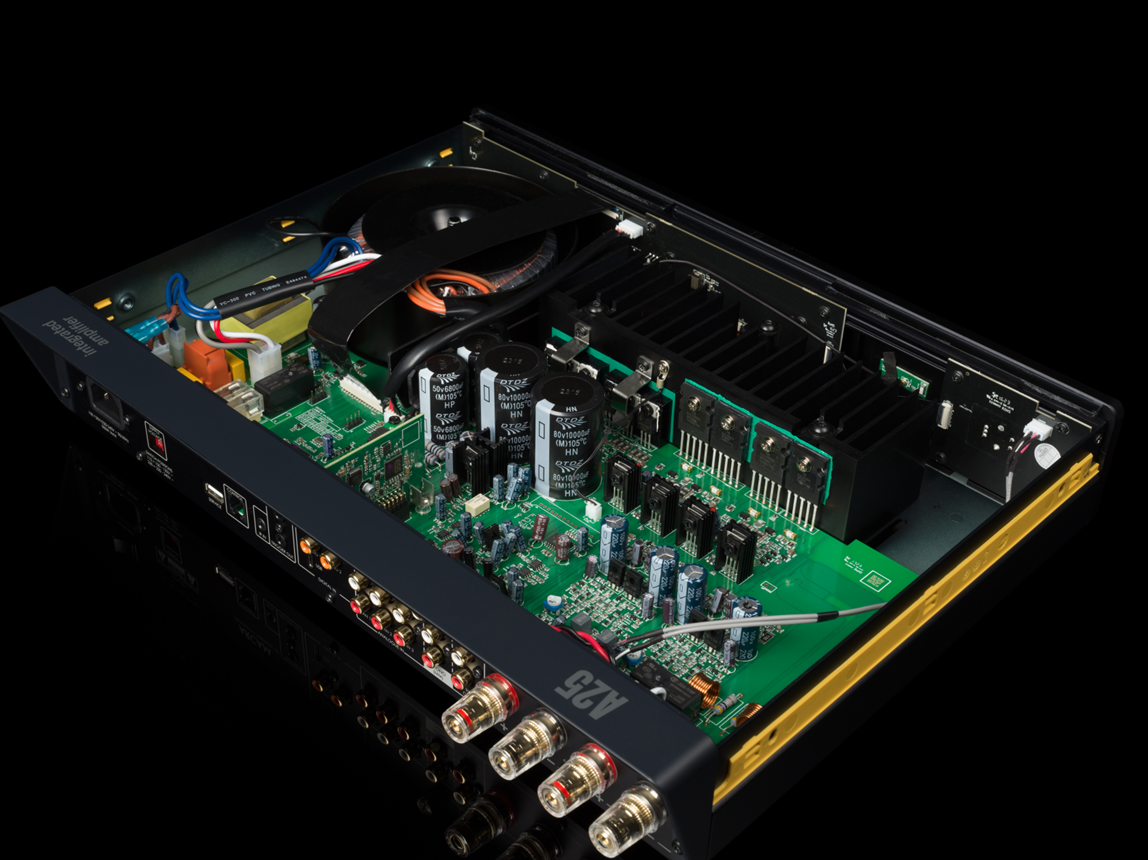
The Amplifier Rule has been in effect now for fifty years and has gone mostly unchanged save for a few amendments in 2000 to account for the rise in multichannel surround sound audio systems. The FTC reviews their rules every ten years, and it was during the most recent review period beginning in 2020 where things became problematic. The FTC considered whether the rule still had relevance and began the process of accepting comments on the matter. This process went mostly under the radar as generally consumers have not taken issue with it and most manufacturers were not aware that the rule was potentially going to change. I’ll spare you the details of the process that followed but it all led up to amendments that were to go into effect on 12-August of this year, while at the same time being applied retroactively to any products that were in the design stage or anywhere in the supply chain of the manufacturer or the retailer. What could be described as “a wee bit of chaos” has ensued with manufacturers and retailers alike unable to comply with the new amended rule and enforcement currently on hold.
How did we get here? In short, the amended rule broadened the category of products affected and added in testing specifications and parameters that most modern audio and video products are unable to meet. The spirit of the original rule was to provide consumers a way in which to compare amplifier power rating specifications on an equal basis, but these changes now require manufacturers to provide misleading specifications that no longer reflect real-world performance and will only serve to confuse consumers. The “escape clause” provided by the FTC is that by simply not stating amplifier power you needn’t be concerned with the amended testing parameters. That is not in the best interest of the consumer either.
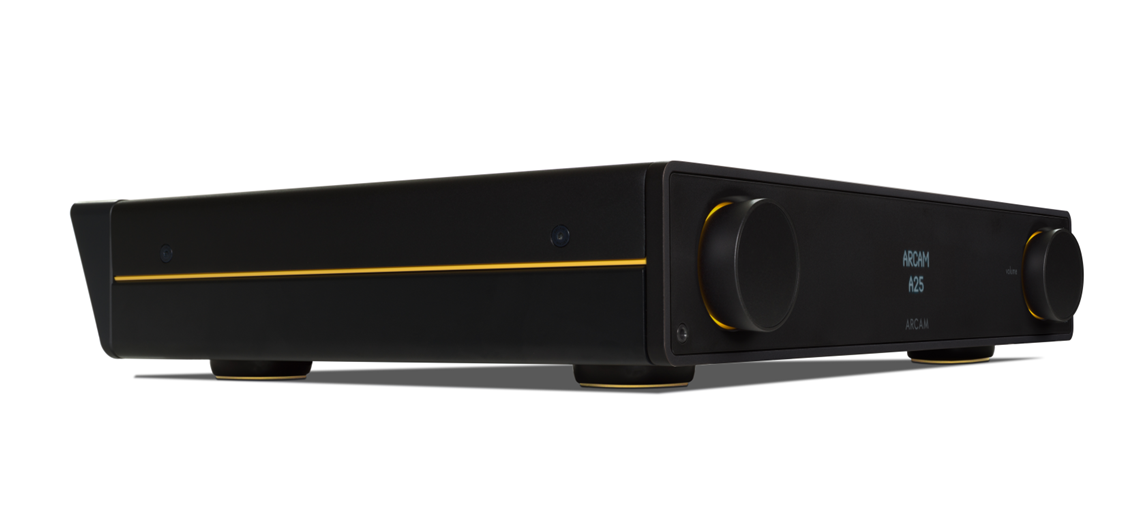
We at HARMAN have worked along with the Consumer Technology Association (CTA) and many of the major audio and video manufacturers and retailers to submit a petition to the FTC to address the two major pain points of the amended rule. Those points are the near-term complications of the retroactive nature of the rule with the extreme costs and confusion of retesting and revising amplifier power ratings, and the longer-term issues of amplifier testing parameters and specifications that cannot be met without providing false or misleading information to the consumer. The petition included the ask for a stay of enforcement while the matter is reviewed.
As it stands, the matter is currently under review, and we have been working to provide the technical insight to help the FTC understand how modern audio and video products are designed and tested. With the holidays upon us and a new presidential administration coming next year, there will certainly be more to this story. For now, we carry on as we have been, and the 2024 amendments will not be enforced until the matter is resolved.
In the interest of full disclosure, I am a member of the Consumer Technology Association’s (CTA) Audio Board and have been part of many discussions regarding the Federal Trade Commission’s Amplifier Rule. These discussions have included fellow industry members of CTA’s audio, video, and retailer boards as well as representatives of the FTC staff for the rule, in this case the FTC Bureau of Consumer Protection, Division of Enforcement.